Principles of Building AI Agents PDF: Key Concepts, Workflows, and Practical Applications Explained
Principles of Building AI Agents PDF: A Comprehensive Guide to Modern Agent Development
Estimated reading time: 7 minutes
Key Takeaways
- Introduction of five core components in AI agent development.
- Insightful exploration of agentic workflows for breaking down complex tasks.
- Detailed discussion on the revolutionary Retrieval-Augmented Generation (RAG) architecture.
- Comprehensive guidelines on effective prompt engineering for Large Language Models (LLMs).
- Exploration of various levels of autonomy and their applications in AI agents.
- Extensive coverage on memory management systems and dynamic agent adaptability.
- Best practices for developing, deploying, and managing AI agents.
Table of contents
- Principles of Building AI Agents PDF
- Key Takeaways
- The Fundamental Building Blocks
- Agentic Workflows: Breaking Down Complex Tasks
- The Power of RAG Architecture
- Technical Deep Dive
- Practical Applications
- Critical Reception and Usability Analysis
- Comparing Classical and Modern Approaches
- Conclusion
- Frequently Asked Questions
The Fundamental Building Blocks
At its core, the book identifies five crucial components that form the foundation of AI agent construction:
- Providers: The gateway to accessing models and resources.
- Models: Primarily LLMs that generate responses based on input.
- Prompts: The carefully crafted instructions that guide model behavior.
- Tools: External functions and APIs that expand agent capabilities.
- Memory: Systems for storing and processing information over time.
Agentic Workflows: Breaking Down Complex Tasks
One of the book’s most valuable contributions is its detailed exploration of agentic workflows. This structured approach ensures:
- – Better modularity in agent design.
- – Clearer oversight of agent operations.
- – Improved human supervision capabilities.
- – Enhanced debugging and optimization potential.
The Power of RAG Architecture
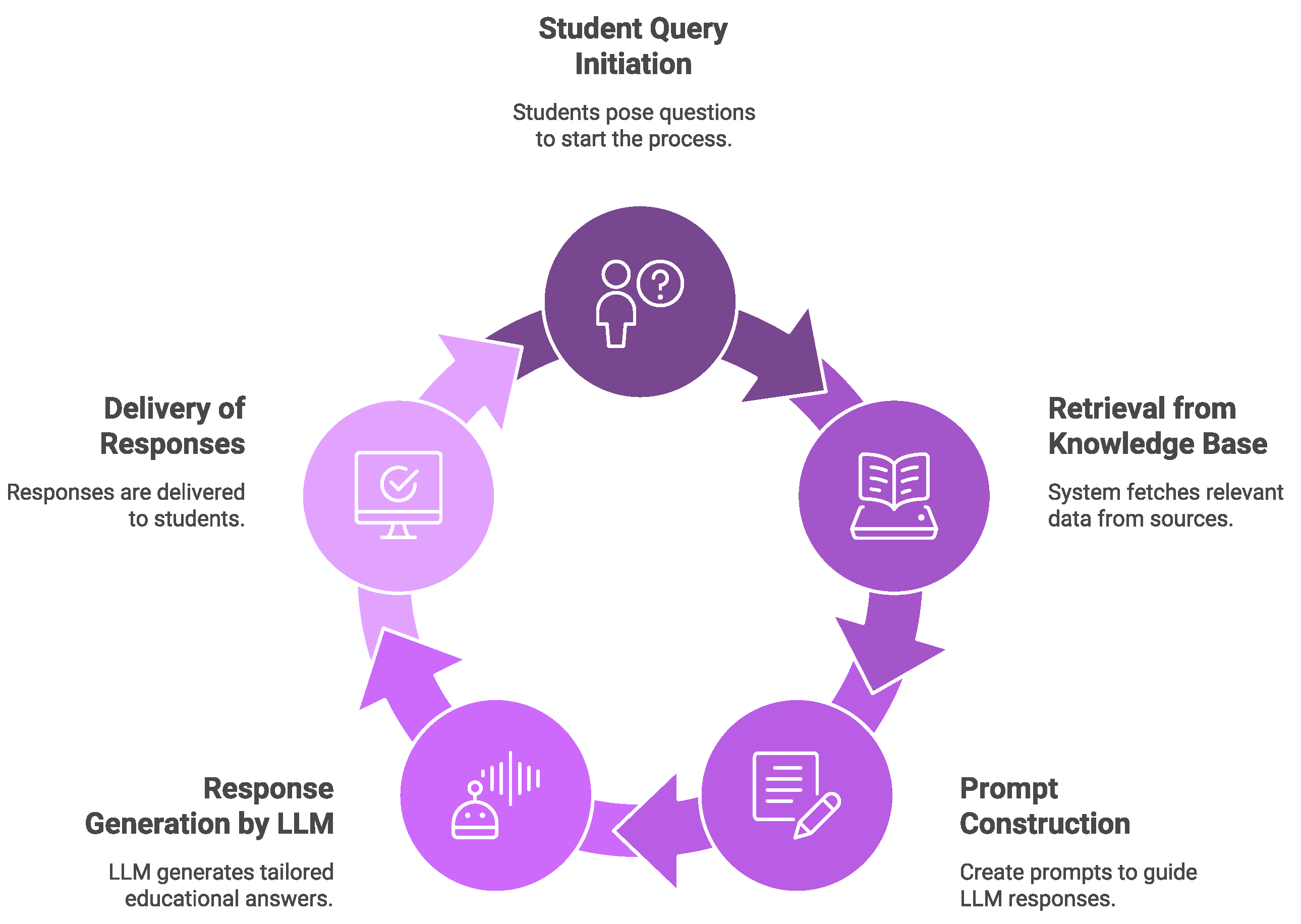
Retrieval-Augmented Generation (RAG) takes center stage in the book’s technical discussion. This revolutionary approach allows agents to:
- – Access external knowledge bases.
- – Pull relevant information before generating responses.
- – Improve accuracy and reliability of outputs.
- – Maintain up-to-date information processing capabilities.
Technical Deep Dive
Prompt Engineering for LLMs
The book provides extensive guidance on crafting effective prompts, addressing crucial aspects such as context length management and model limitation considerations.
Levels of Autonomy
A fascinating exploration of agent decision-making capabilities covers everything from simple tool-using agents to fully autonomous implementations.
Tool Calling and Integration
The practical aspects of tool integration are thoroughly covered, including API design principles and database search implementation.
Memory Management Systems
The book delves deep into various memory architectures, detailing working memory’s short-term information storage and hierarchical memory’s long-term storage solutions.
Practical Applications
The book showcases various real-world applications, including sophisticated code generation assistants and multimodal workflows.
Critical Reception and Usability Analysis
While the book has received praise for its practical approach and comprehensive coverage, some readers have noted minor readability challenges with the PDF format. However, this is overshadowed by the value of its content.
Comparing Classical and Modern Approaches
The book stands in interesting contrast to classical AI texts, emphasizing the practical challenges of modern AI development.
Conclusion
“Principles of Building AI Agents” represents a crucial resource for anyone involved in modern AI agent development, offering a solid foundation for successful AI agent development.
Frequently Asked Questions
Q: What are the core components of AI agent development?
A: The core components include Providers, Models, Prompts, Tools, and Memory.
Q: How does RAG architecture benefit AI agent development?
A: RAG improves the accuracy and reliability of outputs by accessing external knowledge bases and pulling relevant information before generating responses.
}