What Are DHS Administrative Subpoenas and How Are They Being Used?
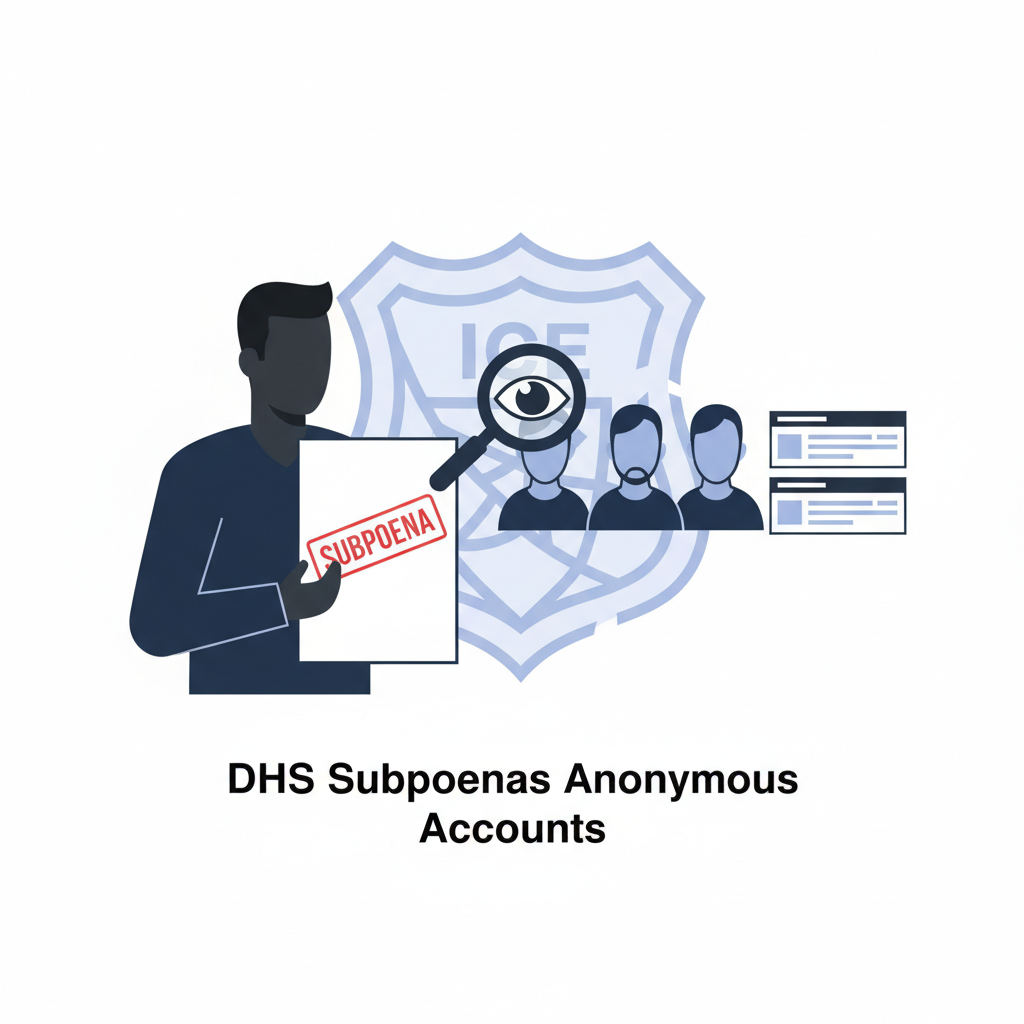
DHS Subpoenas Target Anti-ICE Social Media Accounts (2026)
Imagine posting about an ICE raid in your community, only to have federal agents show up at your door weeks later. This isn’t a dystopian scenario—it’s happening right now across America.
Since late 2025, I’ve watched the Department of Homeland Security weaponize administrative subpoenas to identify and intimidate anonymous social media users who document ICE enforcement activities. From Pennsylvania activists to retired citizens who sent a single critical email, no one seems immune from government surveillance. And honestly? It’s getting worse.
Here’s what you need to know about how DHS is targeting anti-ICE voices, the legal framework they’re exploiting, and—most importantly—what you can do to protect yourself.
What Are DHS Administrative Subpoenas and How Are They Being Used?
Look, most people don’t know the difference between an administrative subpoena and a regular warrant. And that’s exactly what DHS is counting on.
Administrative subpoenas are essentially government fishing expeditions that don’t require a judge’s approval. No probable cause needed. No judicial oversight. DHS is using statutes like 8 U.S.C. § 1225(d) and 19 U.S.C. § 1509(a)(1)—laws originally meant for investigating immigration fraud and customs violations—to demand information from tech companies about people who’ve done nothing more than criticize government policy.
Think about that for a second. A federal agency can issue a piece of paper demanding your IP address, physical location, session data, and device identifiers without ever stepping foot in a courtroom.
The scope of what they’re requesting is frankly terrifying. When DHS sends a subpoena to Meta or Google, they’re not asking for a name. They want everything—your login times, what devices you used, where you were when you posted, your email address, phone numbers associated with the account. It’s a complete digital dossier.
Tech companies like Meta and Google are being targeted because they hold the keys to unmasking anonymous accounts. And while some companies push back (we’ll get to that), others comply without much resistance.
The Enforcement Context: Why ICE Critics Are Being Targeted Now
You can’t understand these subpoenas without understanding what’s happening with immigration enforcement right now. And it’s not pretty.
ICE is projecting 470,000 deportations by the end of FY 2026—that’s a 48% increase from FY 2025. On January 3, 2026, they had 68,990 people detained, compared to 39,152 exactly one year prior. But here’s the thing that should really concern you: there’s been a 2,450% increase in detention of individuals without criminal records.
Let that sink in. People with no criminal history are being swept up at rates we’ve never seen before.
When enforcement ramps up like this, community monitoring becomes crucial. Activists start posting ICE raid alerts. They share “know your rights” information. They document detention conditions. In 2025 alone, 30 people died in immigration detention, with 6 more deaths by early 2026.
This documentation threatens ICE’s ability to operate in the shadows. Social media has become the backbone of immigrant protection networks—and DHS knows it. So they’re trying to dismantle it by making an example of people who dare to post about what they’re witnessing.
Meanwhile, facility inspections dropped 36.25% in 2025. Less oversight, more enforcement, more deaths. It’s a pattern.
Case Studies: Real People Targeted by DHS Subpoenas
Let me tell you about @montocowatch, because this case shows exactly how aggressive DHS has become.
This Pennsylvania-based Instagram account did what hundreds of community monitors do—posted about ICE raids, shared immigrant protection resources, documented enforcement activity in their area. Nothing illegal. Just exercising their First Amendment rights to document and criticize government actions.
DHS issued a subpoena to Meta demanding the account holder’s identity. The goal was obvious: unmask the person behind the account and shut them up.
But here’s another case that’s even more chilling. A retired citizen sent a critical email to DHS attorney Joseph Dernbach. Just one email. Within hours—literally hours—DHS issued a subpoena to Google demanding the sender’s IP address, physical address, session data, and device identifiers.
Think about the timeline there. Someone emails a government attorney with criticism, and the machinery of federal surveillance kicks into gear almost immediately. Federal agents later showed up at this person’s home, even though they’d broken no laws.
In both cases, the subpoenas were eventually withdrawn after the ACLU got involved and lawsuits were filed. But the damage was done. The message was sent: criticize us, and we’ll find you.
Meta initially seemed ready to comply with the @montocowatch subpoena. Google, to their credit, pushed back on the email case, calling the request “overbroad.” But how many similar subpoenas have been issued that we don’t know about? How many people didn’t have the resources to fight back?
The First Amendment Crisis: Legal and Civil Rights Implications
I’ve covered digital rights issues for years, and I’ve never seen such a direct assault on anonymous speech.
The right to criticize your government anonymously is fundamental to American democracy. The Federalist Papers were published anonymously. Anonymous pamphlets sparked the Revolution. Courts have repeatedly upheld that the First Amendment protects your right to speak without revealing your identity.
The ACLU isn’t mincing words about what’s happening here. They’ve characterized these subpoenas as “intimidation tactics” and “part of a broader strategy to intimidate people who document immigration activity or criticize government actions.”
And they’re right. This isn’t about investigating crimes—it’s about creating a chilling effect.
When activists know that posting about an ICE raid could result in federal agents at their door, they stop posting. When journalists worry that documenting detention conditions could get them subpoenaed, they self-censor. When community networks go dark out of fear, immigrants lose their early warning systems.
That’s not a bug in DHS’s strategy. It’s the feature.
The pattern is clear: as enforcement has ramped up, so have efforts to suppress documentation and criticism. It’s not a coincidence. It’s policy.
The Broader Immigration Enforcement Crackdown
These subpoenas don’t exist in a vacuum. They’re part of a much larger shift in how immigration enforcement operates.
According to whistleblowers, a May 2025 ICE memo allegedly authorized warrantless home entries—a dramatic departure from previous policy. Combine that with the 2,450% increase in detention of people without criminal records, and you’re looking at a fundamental transformation of enforcement priorities.
Here’s what really gets me: they’re even transferring refugees who have protected status under international law. People who’ve been granted asylum or temporary protected status are being detained and moved anyway. The rules that used to constrain enforcement? They’re being ignored.
And there’s virtually no oversight to stop it. With facility inspections down more than a third, who’s checking on conditions? Who’s ensuring people’s rights are being respected? The answer is increasingly nobody—except activists and journalists documenting what they can.
Which brings us right back to why DHS is so determined to silence those voices.
How Tech Companies Are Responding (And What It Means for You)
Not all tech companies respond to government subpoenas the same way. And that matters for your privacy.
Meta’s response to the @montocowatch subpoena was initially concerning—they seemed prepared to comply. But after legal challenges and public pressure, the subpoena was withdrawn. Google, on the other hand, pushed back harder and faster on the email case, calling the request overbroad from the start.
The truth is, companies face real pressure to comply with government requests. But they also have policies (at least on paper) about protecting user privacy and notifying users when their data is demanded.
In my experience covering these issues, transparency matters enormously. Companies that publish detailed transparency reports and have clear policies about when they’ll fight government overreach tend to protect users better than those who don’t.
What happens when companies resist? Well, we’ve seen multiple subpoenas withdrawn after pushback. DHS doesn’t want these cases going to court where a judge might rule their tactics unconstitutional. They’re counting on compliance and intimidation, not legal victories.
But when companies immediately hand over data without question? That emboldens more aggressive surveillance.
Protecting Yourself: Digital Security and Legal Rights
Okay, so what can you actually do to protect yourself if you’re documenting ICE activity or criticizing immigration policy?
First, understand your rights. The Fourth Amendment protects you from unreasonable searches. If federal agents show up at your door, you don’t have to let them in without a warrant. You don’t have to answer questions. You can (and should) say “I’m exercising my right to remain silent and I’d like to speak to a lawyer.”
But honestly? Your best protection is digital security before you ever get to that point.
If you’re running a monitoring account or documenting enforcement:
- Use a VPN every single time you access the account. Not sometimes. Every time.
- Create the account with an email address that’s not connected to your real identity.
- Don’t use your personal phone or computer—use a dedicated device if possible.
- Enable two-factor authentication, but use an authentication app, not your real phone number.
- Never log in from your home internet connection.
- Assume everything you post can eventually be traced back to you and plan accordingly.
Is this paranoid? Maybe it would have been a year ago. But given what we’re seeing now, it’s just realistic.
If you do receive a subpoena or get a home visit from federal agents, contact the ACLU immediately. They’ve successfully fought these cases before. The National Immigration Law Center (NILC) and local immigrant rights organizations can also provide support.
Document everything. If agents visit your home, write down their names, badge numbers, what they said, what they asked for. Don’t consent to searches. Don’t volunteer information. Be polite but firm about your rights.
And look—I know this sounds scary. It is scary. But legal challenges have worked. Subpoenas have been withdrawn. People have successfully asserted their rights and walked away.
What This Means for Free Speech in America
We’re at a crossroads. Either we accept that criticizing immigration enforcement can result in federal surveillance and intimidation, or we push back.
The DHS’s use of administrative subpoenas to unmask anti-ICE social media critics represents an alarming escalation in government surveillance. With deportations up 48% and detention numbers at record highs, the government appears determined to silence those who document enforcement abuses or advocate for immigrant communities.
But here’s what gives me hope: resistance works. Multiple subpoenas have been withdrawn after legal challenges. Tech companies are pushing back on overbroad requests. Civil liberties organizations are fighting these cases. People are standing up for their rights—and winning.
The stakes are too high to remain silent. Whether you’re an activist, journalist, concerned citizen, or simply someone who values constitutional rights, understanding these tactics and protecting yourself is essential.
This isn’t just about immigration enforcement. It’s about whether the government can use administrative subpoenas to identify and intimidate anyone who criticizes its actions. Today it’s anti-ICE activists. Tomorrow it could be environmental protesters, police accountability advocates, or anyone else who documents government overreach.
The First Amendment doesn’t mean much if exercising it results in federal agents at your door.
Share this article with activists and immigrant advocacy networks in your community. Contact the ACLU if you or someone you know has been targeted. Support organizations fighting government surveillance. And if you’re documenting enforcement activity, take the digital security measures seriously.
Your voice matters. Your documentation matters. Don’t let intimidation tactics silence you—but don’t make it easy for them to find you, either.
Ready to protect your digital privacy and First Amendment rights? Contact the ACLU or local immigrant rights organizations for personalized legal guidance and support.