Keyword 1: The Ultimate Guide to Mastering Keyword Research for SEO Success
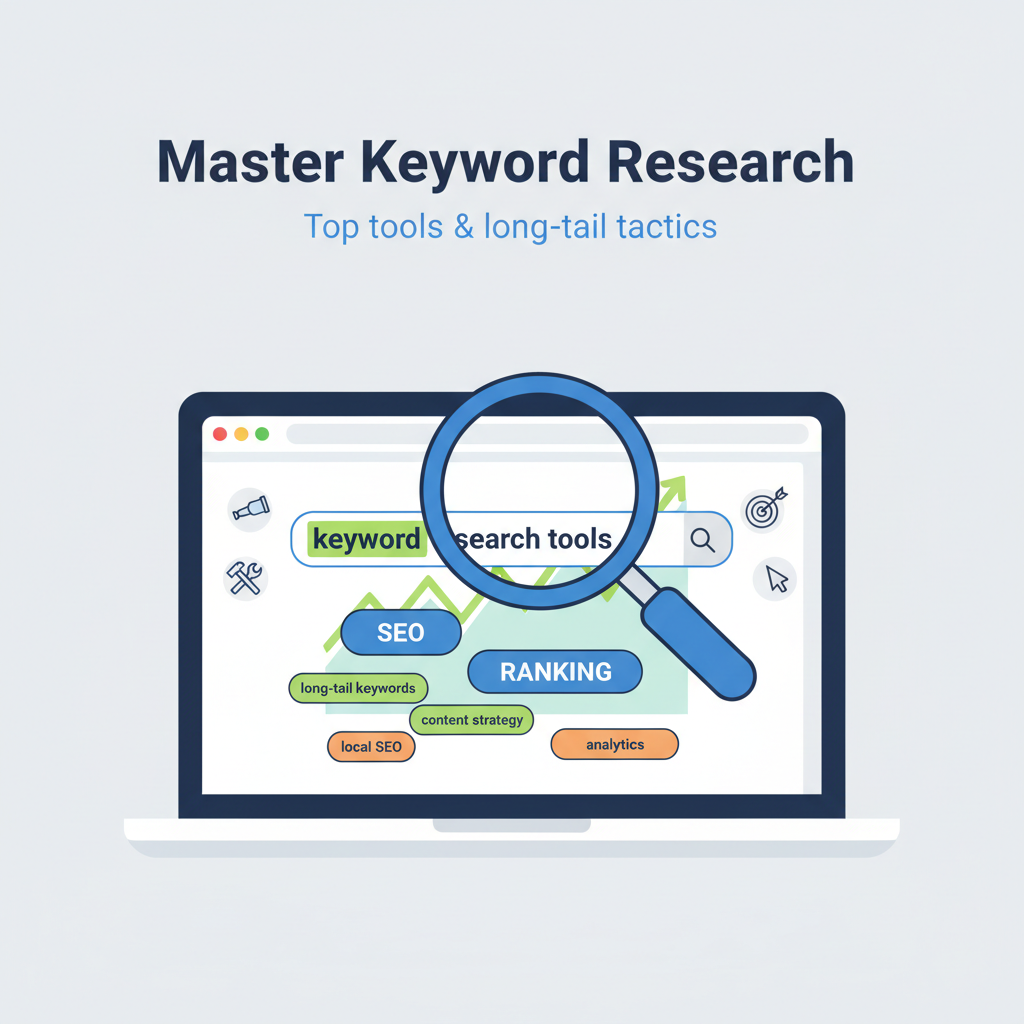
Keyword 1: The Ultimate Guide to Mastering Keyword Research for SEO Success
Estimated reading time: 12 minutes
Key Takeaways
- Keyword research is the cornerstone of targeted traffic, higher rankings, and measurable growth in SEO and PPC.
- Understand intent (informational, navigational, transactional) to align content with user expectations and maximize conversions. source
- Leverage a multi-tool approach (SEMRush, Google Search Console, Google Trends, Keyword Tool, WordStream, keyword.io, Google Keyword Planner) to cross-validate ideas and optimize strategy. source, source, source
Table of contents
Introduction paragraph with emphasis and bold text. Highlighted note to illustrate styling.
What is Keyword Research and Why Does It Matter?
Keyword research is the fundamental process marketers and content creators use to identify and analyze the exact words and phrases people type into search engines like Google when looking for information. It’s like uncovering a map of language, revealing which terms hold the most promise to attract visitors to your website, boost your PPC campaigns, and help your content stand out.
When done right, keyword research ensures you’re targeting terms your audience actively seeks, instead of blindly guessing what might work. As explained by experts in SEO, keyword research allows you to select high-potential keywords to drive focused and relevant traffic that converts (source, source, source).
Understanding keyword intent—whether informational, navigational, or transactional—also empowers you to create content that matches the user’s expectations, maximizing engagement and goal completion.
The Best Tools for Keyword Research: Exploring Free and Powerful Resources
1. SEMRush
SEMRush is a powerhouse when it comes to competitor analysis. By simply typing in a competitor’s URL, you can uncover their top traffic-driving pages and discover the keywords they target for leads and sales. This inside look helps you identify strong keyword opportunities your rivals are capitalizing on, allowing you to model successful strategies tailored to your niche (source). For more on how competitor analysis can turbocharge your marketing, see our blog on GoHighLevel Features, Benefits, and How It Empowers Digital Marketing Agencies.
2. Google Search Console
Google Search Console is a treasure trove of data on how your own site is performing in search results. It provides insights into your current rankings, impressions, and click-through rates. By identifying keywords where your pages already rank on the first page—especially those close to the bottom—SEO pros can optimize page titles, meta descriptions, headings, and content to push these keywords higher and gain more traffic (source). Learn more about boosting SEO performance by leveraging existing data in our post on Automation Use Cases for Freelancers and Agencies.
3. Google Trends
Google Trends is a free tool that tracks the popularity of search terms over time. If you want to keep up with seasonal spikes or spot rising trends before they explode, this tool is indispensable. It lets you compare keyword interest by region, time period, and related topics, helping you tailor your content to what’s hot right now (source). For insights on future trends and AI-driven changes in work, check out our article on The Future of Work with AI Agents.
4. Keyword Tool (keywordtool.io)
Keyword Tool uses Google Autocomplete to generate more than 750 long-tail keyword suggestions per search term. It covers 192 domains and 83 languages, appending and prepending modifiers to reveal creative, niche keyword options that may be less competitive but highly targeted. It’s perfect for building a comprehensive keyword list for SEO or PPC campaigns (source). To complement your keyword research, explore how no-code automation tools can streamline your workflows in our blog on No-Code/Low-Code Automation Tools.
5. WordStream Free Keyword Tool
Enter a keyword or competitor URL into WordStream’s free tool, and you’ll receive hundreds of industry- and location-specific keywords — complete with search volumes and cost-per-click (CPC) data. This helps prioritize which keywords could deliver the most ROI for paid advertising or organic efforts (source). Complement your advertising strategies with best practices highlighted in our Sales Automation guide.
6. keyword.io
Similar to Keyword Tool, keyword.io aggregates thousands of long-tail suggestions from multiple platforms, focusing on real user phrases. It’s useful for uncovering niche terms for articles, PPC ad groups, or SEO campaigns where competition might be more manageable (source). For more on strategic automation approaches, see Automation Platforms Overview.
7. Google Keyword Planner
Google Keyword Planner is aimed primarily at Google Ads users. It helps discover relevant keywords related to your offerings, analyze monthly search volumes, forecast performance such as clicks and conversions, and build detailed campaign plans. Even outside PPC, its data on trends and competition can fine-tune your SEO strategy (source). Dive deeper into data-driven campaign planning with our blog on Automation Consulting Services.
Smart Keyword Research Strategies
Competitor Analysis: Start Strong
Begin with SEMRush to analyze your competitors’ top-performing pages and the keywords they attract. This not only gives insight into proven high-traffic terms but also identifies content gaps you can fill or topics to capitalize on (source). You can also strengthen your marketing agency’s approaches by learning from the GoHighLevel Features, Benefits, and How It Empowers Digital Marketing Agencies.
Leverage Your Existing Data
Use Google Search Console to find “near-miss” keywords—those that rank on the bottom of page 1 or just beyond it. These are low-hanging fruits where a bit of optimization can yield big gains. Focus your efforts on refining meta tags, headings, and body content to improve rankings more quickly than starting from scratch (source). This method is similar to how freelancers can automate workflows efficiently; check the Automation Use Cases for Freelancers and Agencies for inspiration.
Focus on Long-Tail Keywords
Both Keyword Tool and keyword.io specialize in generating long-tail keyword suggestions. These more specific phrases usually have less competition and higher conversion rates, catering to audience niches effectively. For example, instead of just targeting “running shoes,” long-tail terms like “best trail running shoes for beginners” might attract more qualified visitors ready to buy (source, source). To further enhance your marketing automation, check out our Email & Marketing Automation Tools blog for complementary tactics.
Forecast Performance and Plan Campaigns
Before launching advertising campaigns or content pushes, use Google Keyword Planner to forecast clicks, impressions, and conversion opportunities based on your selected keywords and budgets. This ensures your efforts and investments are backed by data-driven expectations (source). See our guide on Automation Consulting Services for additional planning insights.
Why Combining Tools Matters
No single tool can capture the entire keyword landscape. Experts recommend combining multiple platforms to cross-validate keyword ideas, volumes, difficulty, and competition — then aligning these with your site’s performance data. Leveraging free access to Google’s rich data sources speeds up keyword discovery while paid upgrades unlock deeper insights for strategic decision-making.
This multi-tool approach ensures your keyword list is not only comprehensive but also customized to the unique needs of your SEO or PPC goals (source, source, source). For a broader look at scaling digital efforts, see Scaling with Automation.
The Exciting Future of Keyword Research
Keyword research continues evolving alongside search engines and AI-driven algorithms. The rise of voice search, natural language queries, and personalized search results means marketers must constantly adapt to new patterns of user behavior.
By mastering tools like Google Trends that track real-time popularity shifts, and keyword generators that reflect natural speech variations, you stay ahead of trends and shape content that truly resonates. Learn more about AI’s role in reshaping work and collaboration in The Future of Work with AI Agents.
Final Thoughts
Keyword 1 is more than just a buzzword; it’s the cornerstone of smart, data-driven SEO and digital marketing. By understanding what keyword research really entails, tapping into powerful tools like SEMRush, Google Search Console, and Keyword Tool, and applying savvy strategies like competitor analysis and long-tail keyword targeting, you can unlock untapped traffic and grow your online presence like never before.
With the right blend of research, tools, and tactics, you don’t just guess what your audience wants—you know it, bringing your website to the forefront of search engine results and delivering real business value.
Get ready to dive into the thrilling journey of keyword research and watch your SEO efforts soar!
Sources
Frequently Asked Questions
What is keyword research and why does it matter?
Keyword research is the fundamental process marketers and content creators use to identify and analyze the exact words and phrases people type into search engines like Google when looking for information. It guides you to target terms that attract visitors, boost PPC campaigns, and help content stand out.
Which tools are best for keyword research?
The article covers SEMRush, Google Search Console, Google Trends, Keyword Tool, WordStream, keyword.io, and Google Keyword Planner.
How can I use long-tail keywords effectively?
Long-tail keywords are more specific phrases that usually have less competition and higher conversion rates. They help target niche audiences effectively and can yield higher quality traffic.
}