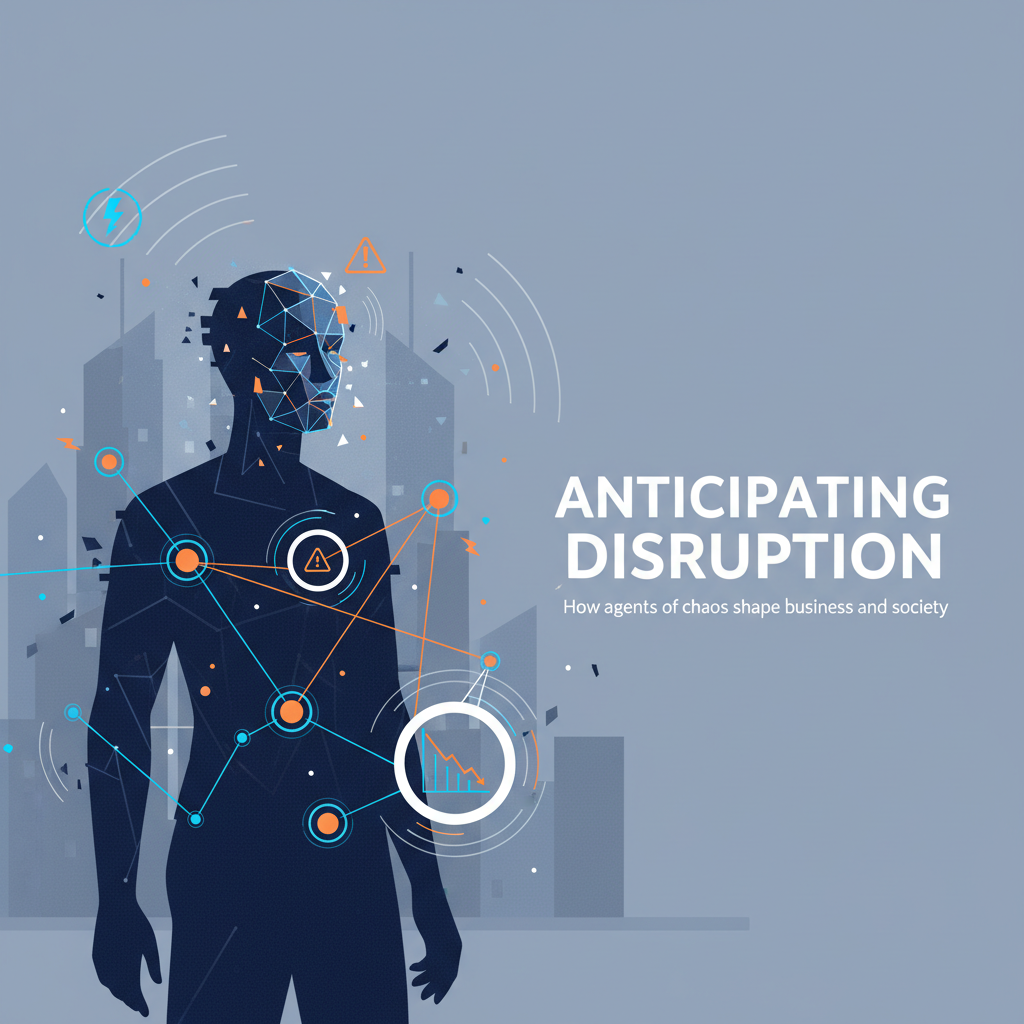
Agents of Chaos: Understanding the Forces That Disrupt Our World
Estimated reading time: 7 minutes
The Nature of Chaos Agents
In the world that often strives for order and predictability, there exists a fascinating phenomenon known as “agents of chaos” – entities that thrive in and actively create disorder. Today, we’ll dive deep into what makes these disruptive forces tick, their impact on society, and why understanding them matters more than ever.
At its core, an agent of chaos is more than just a troublemaker. These are individuals or forces that possess the power to act and deliberately create disorder in otherwise stable systems. According to extensive linguistic research, the term combines “agent” – someone with the power to act – with “chaos,” representing a state of complete disorder. This combination creates a powerful descriptor for entities that intentionally or unintentionally disrupt the normal order of things.
Key Characteristics That Define Agents of Chaos
- Active Participation – Unlike passive observers, agents of chaos are deliberate instigators. They don’t just watch disorder unfold – they create it, nurture it, and often revel in it. This active participation is what makes them particularly impactful in any environment they enter.
- Intentional Disruption – There’s a crucial element of intent in their actions. While random events might create chaos, true agents of chaos operate with purpose, even if that purpose isn’t immediately apparent to others.
- Unpredictability – Perhaps their most defining characteristic is their unpredictable nature. They create situations that are difficult to control or anticipate, making them particularly challenging to deal with or counteract.
- Disruptive Impact – Their actions consistently undermine established social harmony and norms, creating ripples that can affect entire systems or communities.
The Dual Nature of Chaos
Interestingly, the term “agent of chaos” isn’t always negative. The connotation varies significantly depending on context:
In Negative Contexts:
- They can represent destructive forces
- Often associated with harmful intentions
- Frequently linked to deliberate sabotage
- Common in villain narratives in literature and film
In Positive or Humorous Contexts:
- Can bring excitement to otherwise mundane situations
- Might introduce beneficial unpredictability
- Often seen as the friend who makes life more interesting
- Can challenge stagnant systems in needed ways
Cultural Impact and Popular Examples
The concept of agents of chaos has left an indelible mark on popular culture. Perhaps the most iconic example is The Joker in Gotham City, who explicitly identifies himself as an agent of chaos. This character embodies the concept so well that he’s become a touchstone for understanding what it means to be a true agent of chaos.
In literature and film, these characters serve several purposes:
- They drive plot development
- Create compelling conflicts
- Challenge established orders
- Force other characters to adapt and evolve
The Language of Chaos
When discussing agents of chaos, precision in language matters. The phrase itself, while relatively infrequent in written English, carries significant weight. It’s best used when describing clear instigators of disorder rather than random occurrences. This distinction helps maintain the term’s power and relevance.
Alternative expressions that capture similar meanings include:
- Disruptive force
- Destabilizing influence
- Instigator of turmoil
- Source of disruption
- Catalyst for disorder
- Force of instability
Understanding the Impact
The influence of agents of chaos extends far beyond entertainment and literature. In real-world scenarios, understanding these forces can help:
- Identify potential sources of disruption
- Prepare for unexpected challenges
- Develop more resilient systems
- Navigate periods of significant change
Practical Applications and Implications
Recognizing agents of chaos in various contexts can be crucial for:
- Business environments – identifying disruptive market forces https://anilbohra.me/business-process-automation-guide-2/
- Social systems – understanding catalysts for change https://anilbohra.me/https-anilbohra-me-workflow-automation-small-business/
- Personal relationships – managing unpredictable influences https://anilbohra.me/https-anilbohra-me-ai-automation-failures-causes-lessons/
- Organizational planning – preparing for unexpected disruptions https://anilbohra.me/https-anilbohra-me-automation-readiness-checklist-for-business/
The Future of Chaos
As our world becomes increasingly interconnected and complex, understanding agents of chaos becomes more critical than ever. Whether they manifest as:
- Technological disruptions https://anilbohra.me/google-antigravity-ai-development-platform
- Social movements https://anilbohra.me/future-of-work-ai-agents
- Economic forces https://anilbohra.me/https-anilbohra-me-scale-business-using-automation/
- Individual actors https://anilbohra.me/best-ai-agents-2025-guide/
Conclusion
Agents of chaos represent a fascinating and complex phenomenon in our world. Whether viewed as positive forces for change or destructive elements to be contained, their impact is undeniable. Understanding their nature, recognizing their presence, and learning to navigate their influence has become an essential skill in our increasingly unpredictable world.
By acknowledging and studying these agents of chaos, we better prepare ourselves for the disruptions they bring – whether those disruptions ultimately lead to destruction or transformation. In a world that often seems to be teetering between order and chaos, this understanding becomes not just interesting, but essential for survival and success.
Frequently Asked Questions
What defines an agent of chaos?
An agent of chaos is defined as an entity that actively creates disorder within stable systems, combining action with deliberate disruption, as described in the opening sections of this post.
What are the key characteristics?
Active Participation, Intentional Disruption, Unpredictability, and Disruptive Impact describe the defining features of agents of chaos.
Why does understanding these forces matter?
Understanding these forces helps identify disruption sources, prepare for challenges, build resilience, and navigate periods of change.
}