Claude Cowork: Exploring the Future of AI Collaboration That Doesn’t Exist Yet
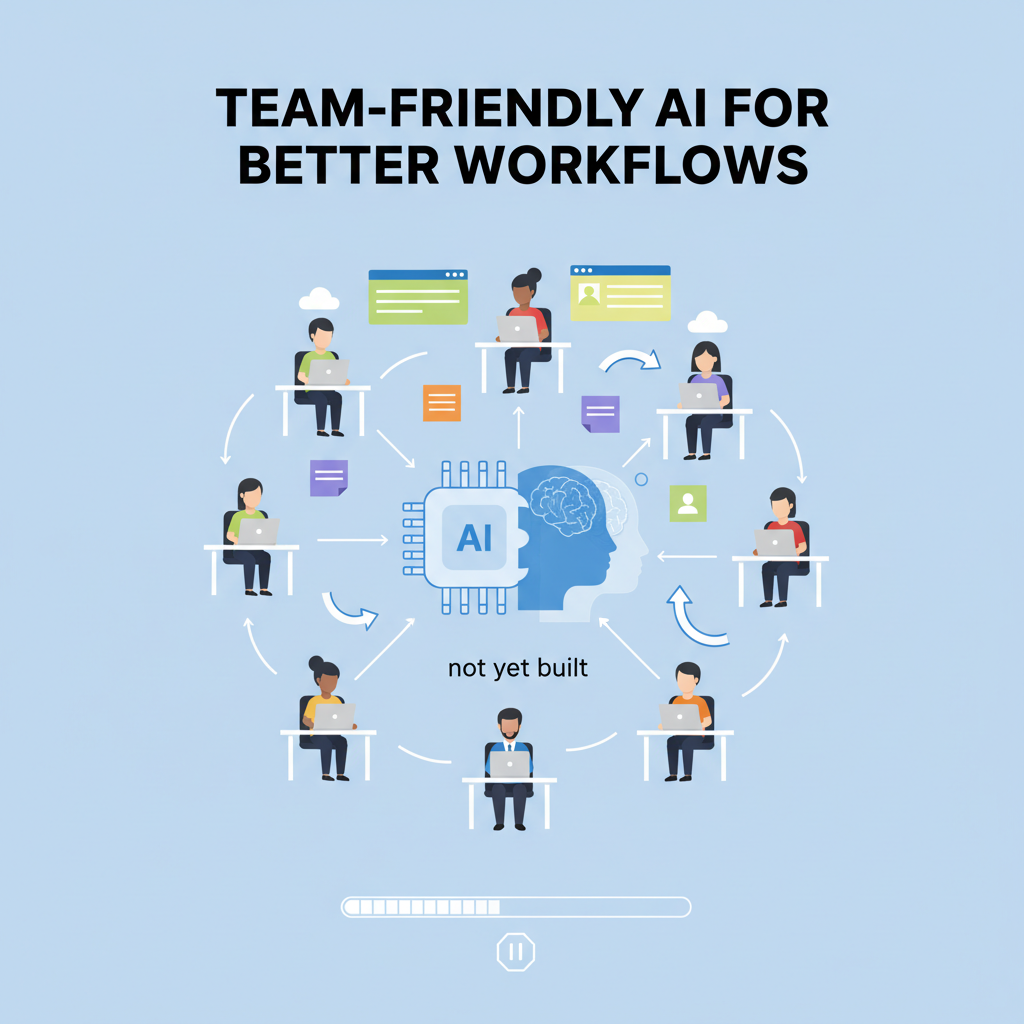
Claude Cowork: Exploring the Future of AI Collaboration That Doesn’t Exist Yet
Estimated reading time: 6 minutes
Key Takeaways
- Claude Cowork as a concept highlights a gap in the current AI marketplace and the need for sophisticated collaborative tools
- The interest in collaborative AI reveals opportunities for tools that integrate with human workflows and support professional environments
- Current AI capabilities, like Claude-style prompts, point toward future collaborative features
- The future may bring enhanced teamwork features, workplace integration, adaptive learning, and stronger security for AI in professional settings
Table of contents
In this exploration, we discuss the concept of Claude Cowork and the reality that it does not exist yet, while highlighting the importance of predictive, collaborative AI in professional settings. The absence of Claude Cowork as a specific product doesn’t diminish its significance as a concept.
Understanding Claude AI
To understand where this interest comes from, let’s first look at Claude AI, the existing technology developed by Anthropic. Claude is an advanced AI language model known for its capabilities in various tasks including:
- Natural language processing
- Content creation
- Analysis and problem-solving
- Complex reasoning
- Code generation https://anilbohra.me/prompt-engineering-for-ai-communication
The Current State of AI Collaboration
While Claude Cowork might not exist as a specific product, the concept touches on a crucial development in the AI industry – the growing need for collaborative AI systems that can:
- Integrate seamlessly with human workflows https://anilbohra.me/https-anilbohra-me-business-process-automation-small-business/
- Provide real-time assistance in professional settings https://anilbohra.me/future-of-work-ai-agents
- Adapt to different work contexts and requirements https://anilbohra.me/memory-in-ai-agents-age
- Support team-based projects and initiatives https://anilbohra.me/https-anilbohra-me-robotic-process-automation-small-business/
The Gap in the Market
The interest in “Claude Cowork” highlights several key areas where current AI solutions could evolve:
Team Collaboration Features
- Real-time AI assistance during meetings https://anilbohra.me/best-ai-agents-2025-guide
- Collaborative document editing with AI support https://anilbohra.me/gohighlevel-marketing-platform-success-2/
- Project management integration https://anilbohra.me/https-anilbohra-me-workflow-automation-small-business/
- Multi-user interaction capabilities
Professional Environment Integration
- Seamless workflow incorporation https://anilbohra.me/business-process-automation-guide-2/
- Enterprise-level security features https://anilbohra.me/aws-ai-factories-on-premises
- Customizable permissions and access controls
- Integration with existing business tools https://anilbohra.me/gohighlevel-marketing-platform-success-2/
What This Means for the Future
- Enhanced Collaborative Features The future might bring AI systems that can actively participate in team settings, offering real-time insights and assistance during collaborative work sessions. https://anilbohra.me/future-of-work-ai-agents
- Workplace Integration We may see the development of AI tools specifically designed for professional environments, with features that support team productivity and creativity. https://anilbohra.me/agentic-ai-foundation-standardization
- Adaptive Learning Systems Future AI collaborators might be able to learn from team interactions and adapt their responses based on specific workplace contexts and needs. https://anilbohra.me/memory-agentic-ai-role
- Security and Privacy Evolution As AI collaboration tools develop, we’ll likely see enhanced security features that protect sensitive business information while maintaining collaborative capabilities. https://anilbohra.me/aws-ai-factories-on-premises
The Road Ahead
While Claude Cowork doesn’t exist as a specific product today, the interest in such a concept points to exciting possibilities for the future of AI collaboration. As technology continues to evolve, we might see the emergence of tools that fulfill this vision of seamless AI-human collaboration in professional settings.
Potential Development Areas
- Interactive Team Features
- Multi-user engagement capabilities
- Real-time collaborative editing https://anilbohra.me/https-anilbohra-me-n8n-workflow-automation-platform/
- Dynamic response systems
- Professional Integration
- Enterprise-level security https://anilbohra.me/aws-ai-factories-on-premises
- Customizable workflows https://anilbohra.me/https-anilbohra-me-business-process-automation-small-business/
- Business tool compatibility https://anilbohra.me/gohighlevel-marketing-platform-success-2/
- Learning and Adaptation
- Context-aware responses https://anilbohra.me/effective-context-engineering-ai-agents
- Team-specific knowledge building
- Adaptive interaction patterns https://anilbohra.me/memory-in-ai-agents-age
- Security and Privacy Evolution
- Security enhancements https://anilbohra.me/aws-ai-factories-on-premises
What Organizations Can Do Now
- Assess Current Needs
- Identify specific areas where AI collaboration could benefit their teams https://anilbohra.me/https-anilbohra-me-business-process-automation-small-business/
- Document current workflow challenges https://anilbohra.me/https-anilbohra-me-automation-planning-steps-beginners-guide/
- Define desired features for future AI collaboration tools
- Prepare Infrastructure
- Evaluate existing technical capabilities https://anilbohra.me/https-anilbohra-me-n8n-automation-platform-small-business/
- Plan for potential integration requirements
- Consider security and privacy needs https://anilbohra.me/aws-ai-factories-on-premises
- Train Teams
- Build AI literacy among staff https://anilbohra.me/prompt-engineering-for-ai-communication
- Develop collaborative workflows that could incorporate AI
- Foster a culture of innovation and adaptation
Conclusion
While Claude Cowork may not exist as a specific product today, the interest in such a concept reveals important insights about the future of AI collaboration. As we continue to see advances in AI technology, the gap between current capabilities and desired collaborative features will likely narrow, potentially leading to exciting new developments in how we work with AI systems.
The absence of Claude Cowork as a specific product doesn’t diminish its significance as a concept. Instead, it highlights an important direction for future development in AI technology – one that focuses on enhanced collaboration, professional integration, and adaptive learning capabilities.
As we move forward, the evolution of AI collaboration tools will likely continue to be shaped by the needs and expectations revealed through interests like the search for Claude Cowork. This ongoing development promises to bring us closer to a future where AI and human collaboration is more seamless, productive, and innovative than ever before.
}